Insights
Insights
Notes on how design shapes the way a space feels and performs — and on the business of running a practice.
For Business Owners
Good design isn't a luxury. It's a revenue driver.
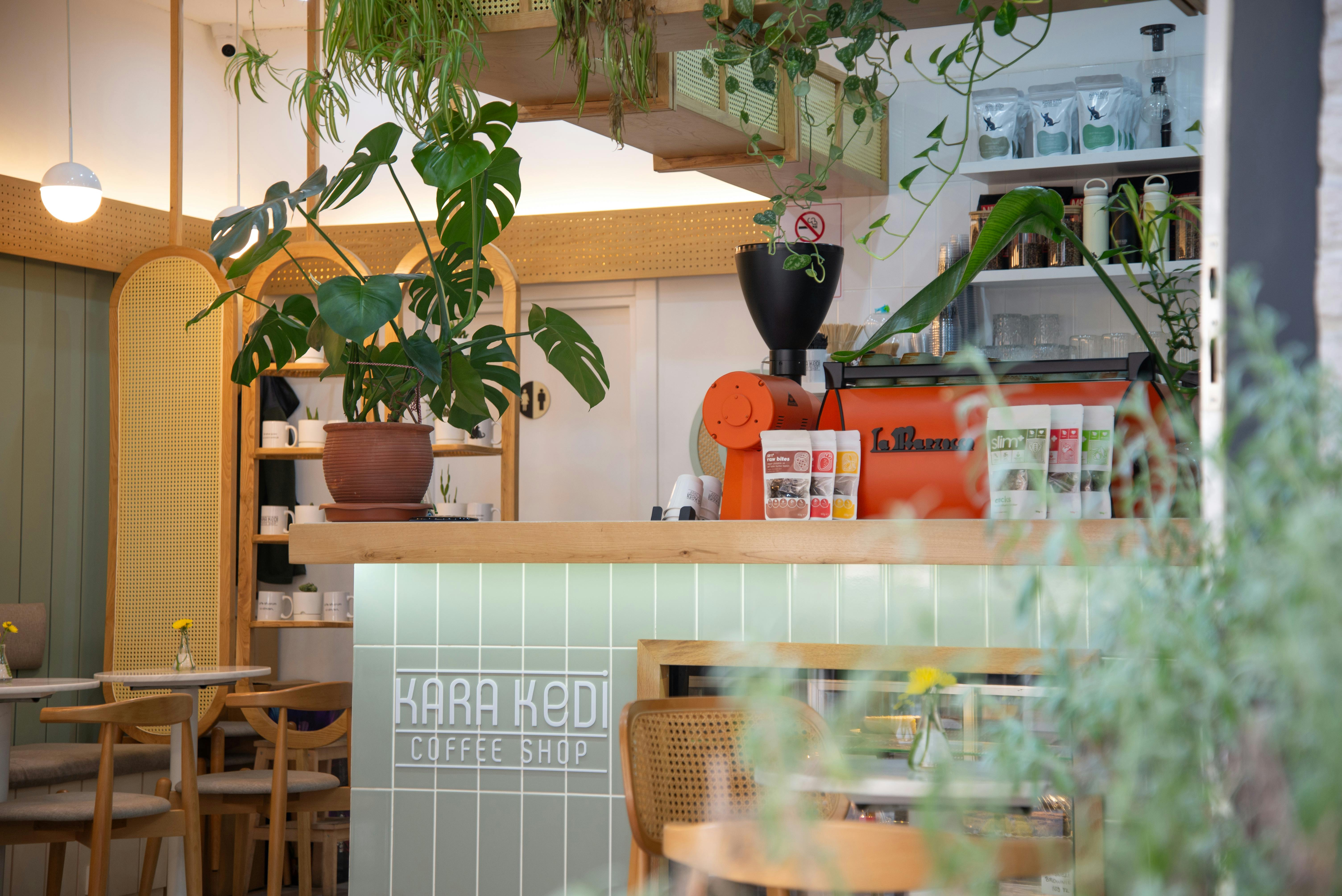
The numbers are more striking than most owners expect. Customers who stay in a space just 1% longer tend to spend about 1.3% more — so better lighting, comfortable seating, and a clear layout aren't indulgences, they're sales tools.
You get roughly seven seconds to make a first impression. If your entrance doesn't match your brand, people leave before they ever experience what you offer. And in workplaces, thoughtful design — natural light, ergonomic furniture, flexible spaces — can lift productivity by around 15%.
Your space is always doing one of two things: working for you, or working against you. Design decides which.

For Firm Owners
Your proposals are quietly stealing your best hours.
Most small firms write their own SOQs and RFP responses — usually the principal, usually at night, usually after a full day of actual design work. It feels unavoidable: you know the projects, you know the story, so it falls to you.
But there's a hidden cost. Proposal writing is a specialized, repetitive task that pulls your most expensive, most design-critical person off the board to format boilerplate and chase deadlines. The hours add up fast, and they come straight out of the work that actually grows the firm — design and client relationships.
There's a better pattern. The narrative and qualifications can be drafted, formatted, and assembled by someone who does this all day, then handed to you for the strategic review only you can give. You stay the voice of the firm — you just stop being the one wrestling with page limits at 11 p.m. And consistent, well-told proposals don't only save time; they win more of the work you actually want.
If proposals are the thing quietly eating your evenings, that's usually the first task worth taking off your own plate.
For Business Owners
Your paint color isn't about what looks good. It's about how people feel.
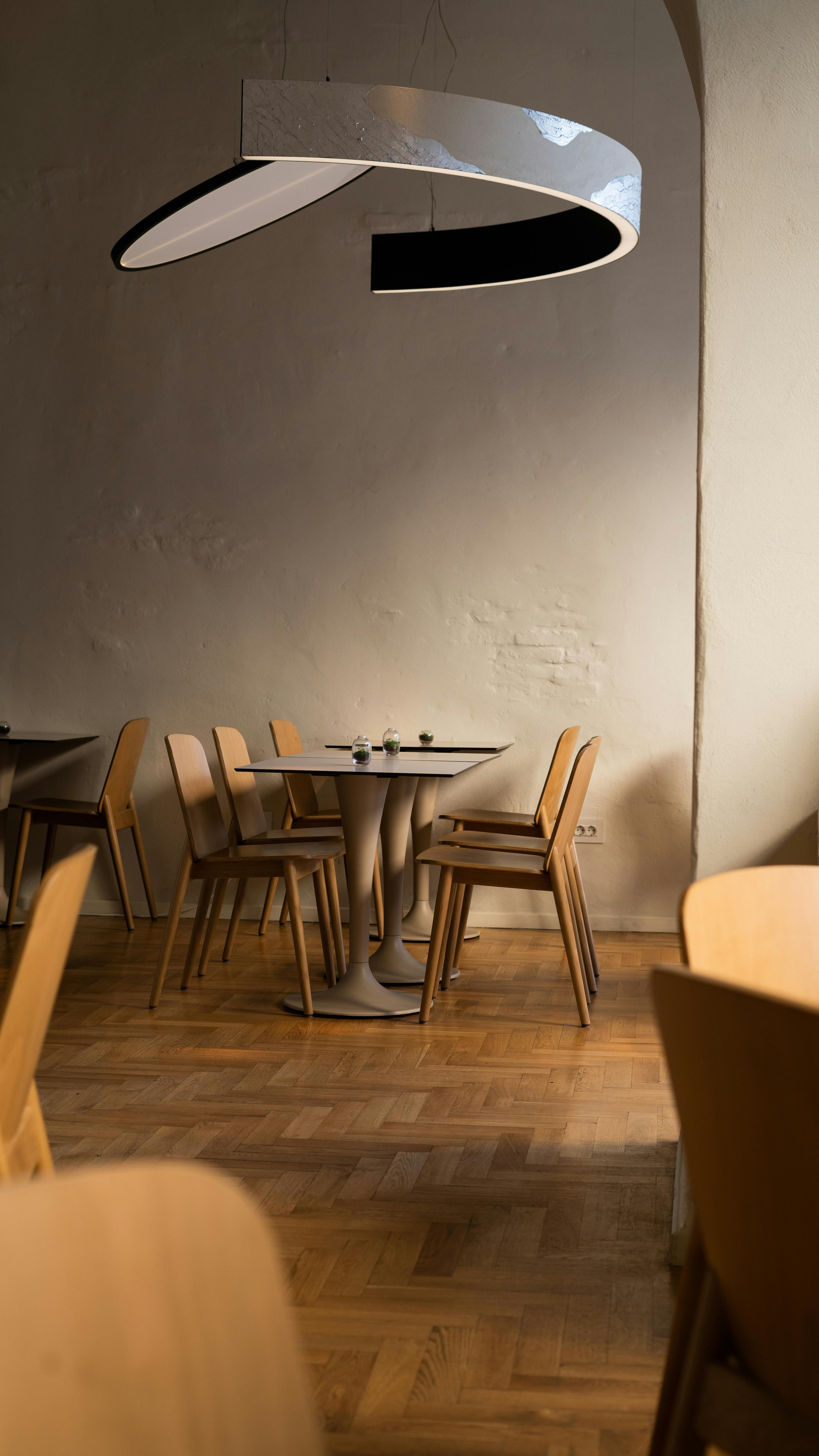
Color is one of the quietest, most powerful tools in a space — and the right choice does real work. Layered colors and textures keep customers lingering. Deep tones and warm lighting energize a room. Earth tones and warm whites create calm.
But the same color can feel completely different depending on natural versus artificial light, the time of day, the finishes around it — wood, tile, metal — and even the ceiling height. Most owners pick a color they love at home, but a business needs something different.
Your space has to support both your brand and your customers' experience. The question isn't "what looks nice?" It's "what should people feel the moment they walk in?"
For Firm Owners
The busywork doesn't have to be done by a person anymore.
Running a small practice means a hundred small, repetitive tasks — formatting documents, drafting captions, organizing content, chasing the same boilerplate across every proposal. None of it is design, but all of it eats the day.
A lot of it no longer has to. In my own studio, I lean on automation and AI tools to take the first pass on the repetitive work — a draft, a layout, a schedule — so I'm editing and directing instead of starting from a blank page every time. It's the difference between an hour of busywork and ten minutes of review. Done well, it doesn't make the work feel generic; it just clears the clutter so the real thinking gets your full attention.
You don't need to become a software person to benefit. You need to find the two or three tasks that drain the most time for the least creative payoff, and build a smarter system around just those. That's usually where the hours come back.
The firms that figure this out aren't working more — they're spending the time they save on design, clients, and the work that actually grows the practice.
For Business Owners
Your space looks great. So why does it feel off?
You invested in the right furniture, good lighting, fresh paint — and yet customers don't linger, and your team feels drained by the end of the day. Often the problem isn't what people see. It's what they hear.
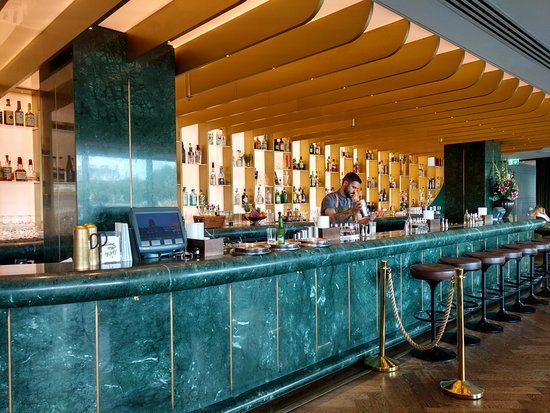
Hard surfaces everywhere — tile, concrete or hard floors, glass, metal shelving — turn a room into an echo chamber. Every conversation bounces, background noise builds, and it's quietly exhausting without anyone realizing why. In a restaurant, guests can't hear each other, so they leave sooner. In an office, focus evaporates because every phone call carries through thin walls. In retail, the harsh echo makes a space feel cold and unwelcoming.
Sound absorption isn't glamorous, but it's one of the highest-impact changes you can make: acoustic panels, fabric treatments, upholstered seating, rugs, and the strategic use of soft materials. These aren't just aesthetic choices — they're comfort decisions. If your space looks great but feels draining, acoustics may be the missing piece.
Newsletter — coming soon
The business behind the practice.
A monthly note for architecture and design firm owners — practical ways to win more of the work you actually want, manage your capacity, and keep the business side from eating into your design time.
Thinking about your own space — or your own practice?
Let's talk about how it could work harder for you.
Start a conversation